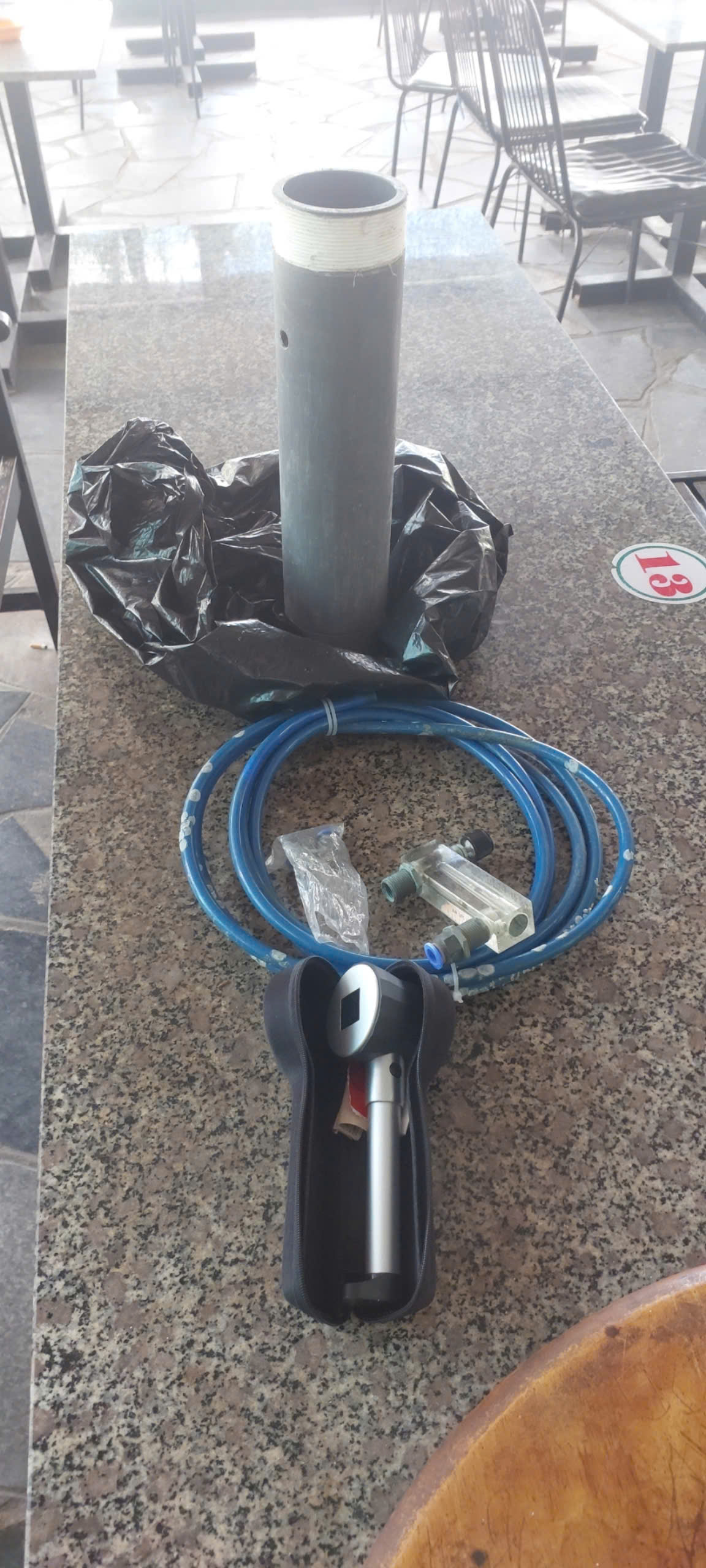
Invasive oysters in intensive vannamei shrimp ponds can create several problems beyond simply occupying pond space. They can become attached to HDPE liners, pond structures, pipes, aeration equipment and other submerged surfaces.
Nanobubbles can help manage the secondary water-quality and oxygen problems caused by oysters, but they should not be considered a direct oyster-killing treatment.
The most useful approach is to combine nanobubble technology with physical oyster removal, solids management and biosecurity.
Oysters can affect intensive shrimp ponds in several ways:
1. Competition for oxygen: Oysters consume dissolved oxygen through respiration, especially when biomass becomes high.
2. Organic waste accumulation: Feces and pseudofeces contribute to organic solids and bottom sludge.
3. Biofouling: Oyster colonies attach to liners, pipes, drains and equipment, making cleaning and maintenance difficult.
4. Microbial accumulation: Oyster shells and surrounding biofilms provide surfaces for bacterial communities to develop.
5. Water-quality instability: Decomposition of dead oysters increases BOD, ammonia and potentially hydrogen sulfide in poorly oxygenated areas.
An important distinction: oysters are filter feeders, so they may also remove suspended particles and phytoplankton from the water. Their net effect depends on oyster density, pond conditions and organic loading.
This is probably the most important benefit in an intensive shrimp pond.
Oysters consume oxygen, particularly when large populations develop. At the same time, shrimp, microorganisms and organic sludge also consume oxygen.
Oxygen nanobubbles can help by:
- Increasing oxygen transfer efficiency compared with conventional coarse-bubble aeration.
- Maintaining more stable DO concentrations throughout the water column.
- Supporting aerobic decomposition of organic waste.
- Reducing the risk of oxygen depletion near the pond bottom.
Oysters produce feces and pseudofeces containing organic matter.
When these materials accumulate:
Heterotrophic bacteria decompose the organic matter.
Oxygen consumption increases.
Anaerobic zones may develop in bottom sludge.
Ammonia and hydrogen sulfide risks increase.
Oxygen nanobubbles can support aerobic microbial activity, potentially helping to reduce organic accumulation and improve sediment conditions.
However, nanobubbles do not physically remove sludge. A central drain, sludge siphoning or other solids-removal system is still necessary.
Oyster colonies often develop in areas with weak circulation, such as pond corners, drain structures and pipe surfaces.
A properly positioned nanobubble recirculation system can help:
Improve oxygen distribution.
Reduce localized low-DO zones.
Support more consistent water quality.
Improve conditions around areas where organic matter accumulates.
Nanobubbles alone do not provide sufficient bulk-water circulation. Paddlewheel aerators or circulation pumps should remain part of the system.

