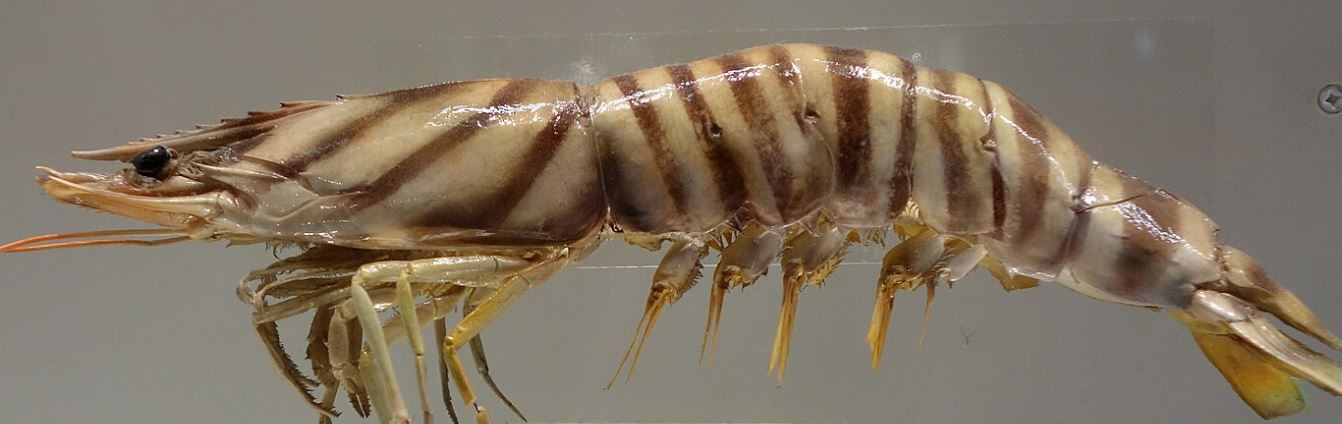
Key benefits of oxygen nanobubbles in Kuruma shrimp RAS
Higher and more stable dissolved oxygen
Oxygen Nanobubbles can maintain elevated DO throughout the culture system and reduce the risk of oxygen depletion in high-biomass tanks.
A 2025 Kuruma shrimp RAS study compared about 7.5 mg/L DO with 15 mg/L DO produced using oxygen nanobubbles
Improved growth and feed utilization
- The study reported improvements in specific growth rate (SGR), weight gain and FCR under Oxygen Nanobubbles treatment.
- Higher oxygen availability can support the energy requirements associated with digestion, growth and molting
Better molting performance
- Molting rate increased under the Oxygen Nanobubbles/high-DO treatment. This is important because Kuruma shrimp growth depends on successful and regular molting.
Potential improvement in survival
- The RAS study found significantly improved survival with Oxygen Nanobubbles.
- Maintaining a high oxygen reserve is particularly useful during periods of high feeding activity and high biomass.
Improved digestive activity
- Oxygen Nanobubbles exposure was associated with increased digestive enzyme activity, including pepsin and trypsin, suggesting improved digestive capacity.
Potential water-quality and bacterial benefits
- The 2025 study reported reductions in total bacterial count and Vibrio count in the water under long-term Oxygen Nanobubbles treatment. This could be valuable in a closed RAS where microbial accumulation can become a major management issue.
- Importantly, this should be considered as potential supplementary benefit, not a substitute for biofiltration, solids removal, disinfection and biosecurity.
Better physiological condition
- Researchers observed increases in antioxidant-related responses and changes associated with energy metabolism.
- The study also reported no significant adverse intestinal morphological effects during the experimental exposure.
Improved intestinal microbial balance
- The RAS experiment found increases in some potentially beneficial microorganisms, including Lactobacillales and Rhodopseudomonas palustris, while overall microbial stability was maintained.