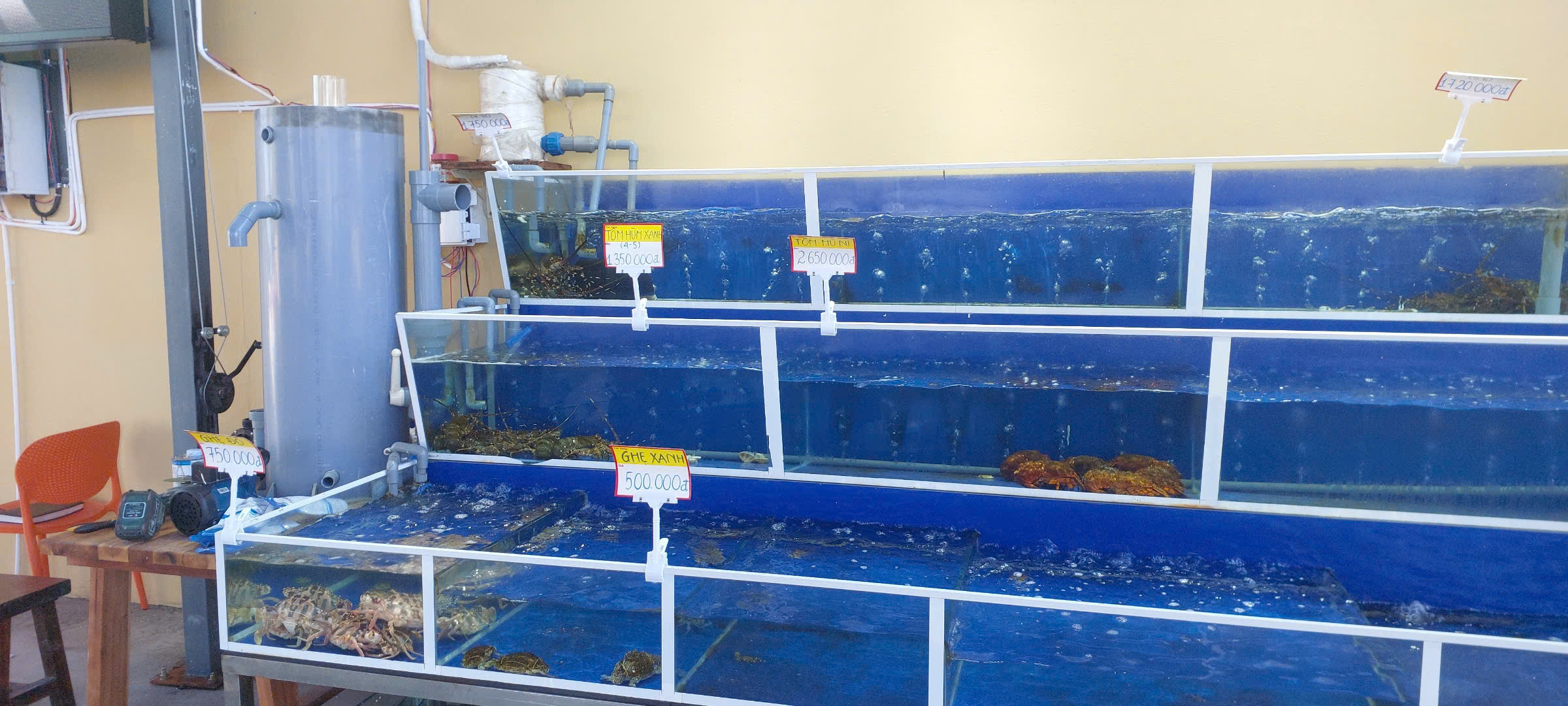
Do not underestimate simple Protein Skimmers made from UPVC Pipes and even PE drums and tanks
We provide core equipment and knowhow in Protein Skimmer design and fabrication to local farmers and contractors.
We do not provide complete Protein Skimmers.
A counter-current protein skimmer is one of the most effective water treatment devices for live seafood holding (life support) systems in seafood restaurants. Compared with co-current skimmers, the counter-current design provides longer contact time between air bubbles and water, resulting in superior removal of dissolved organic compounds (DOC), suspended solids, and foam-forming wastes. This helps maintain excellent water quality and prolong the survival of live seafood.
Key Benefits of a Counter-Current Protein Skimmer
1. Superior Removal of Organic Waste
* Removes dissolved organic compounds (proteins, amino acids, mucus, blood, and waste excreted by seafood).
* Prevents the accumulation of organic pollutants before they decompose into ammonia.
* Reduces biological oxygen demand (BOD) in the system.
Benefit:
* Cleaner water
* Less odor
* Lower bacterial growth
2. Lower Ammonia Production
By removing proteins before bacterial decomposition:
* Less ammonia (NH₃)
* Lower nitrite (NO₂⁻)
* Reduced stress on the biological filter
Benefit:
* More stable water chemistry
* Longer intervals between water changes
3. Improved Dissolved Oxygen (DO)
Counter-current skimmers generate millions of fine bubbles moving upward while water flows downward.
This provides:
* Large gas-liquid contact area
* High oxygen transfer efficiency
* Better CO₂ stripping
Benefit:
* Higher dissolved oxygen
* Reduced respiratory stress
* More active seafood
This is especially important for:
* Lobsters
* King crabs
* Mud crabs
* Live shrimp
* Abalone
4. Efficient Carbon Dioxide Removal
Respiration by live seafood continuously releases CO₂.
Excess CO₂ can cause:
* Reduced blood oxygen transport
* Lower pH
* Increased stress
Counter-current flow maximizes CO₂ removal.
Benefit:
* Stable pH
* Better respiration
* Reduced mortality
5. Reduced Water Turbidity
The skimmer removes:
* Fine suspended particles
* Feed residues
* Feces
* Sloughed mucus
* Foam-forming substances
Benefit:
* Crystal-clear display tanks
* Better customer presentation
* Easier observation of seafood health
6. Reduced Pathogenic Bacteria
Although protein skimmers are **not sterilizers**, they reduce bacterial populations indirectly by removing:
* Organic nutrients that support bacterial growth
* Bacteria attached to suspended particles
* Foam-associated microorganisms
When combined with:
* UV sterilizer
* Ozone
* Fine filtration
the overall microbial load can be greatly reduced.
7. Lower Disease Risk
Cleaner water means:
* Lower Vibrio proliferation
* Reduced fungal growth
* Less biofilm formation
* Lower pathogen transmission
This is particularly valuable for:
* Lobsters
* Crabs
* Oysters
* Clams
8. Improved Seafood Survival
Lower stress leads to:
* Lower mortality
* Longer holding time
* Better recovery after transport
Restaurants can often keep seafood healthy for several additional days compared with systems lacking effective foam fractionation, depending on stocking density and overall system management.
9. Better Water Clarity and Appearance
Protein skimmers remove:
* Yellow pigments
* Colored dissolved organic matter
* Surface foam
* Fine particles
Result:
* Brighter water
* More attractive seafood displays
* Higher perceived freshness
10. Reduced Odor
Organic waste decomposition generates:
* Amines
* Sulfur compounds
* Volatile organic compounds
The skimmer removes many odor-causing precursors before they break down.
Benefit:
* Fresher environment for customers
* Improved restaurant hygiene
11. Reduced Maintenance
Because much of the organic waste is removed before it settles:
* Biofilters clog more slowly
* Pumps stay cleaner
* Pipes accumulate less biofilm
* Mechanical filters require less frequent cleaning
12. Enhanced Performance with Ozone
Counter-current skimmers are highly effective as ozone contactors.
When low-dose ozone is injected:
* Better ozone dissolution
* Improved oxidation of dissolved organics
* Enhanced water clarity
* Reduced yellow coloration
* Lower bacterial load
* Rapid destruction of residual ozone before water returns to tanks (using proper degassing and carbon treatment)