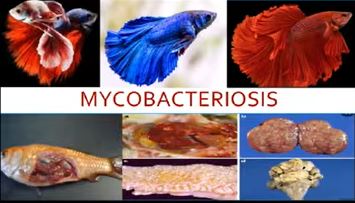
https://youtube.com/shorts/BtBMmrZCXTs
Highlights
•Following a 60-min incubation in water containing ozone nanobubbles (NB-O3), the
concentration of Mycobacterium chelonae decreased by 96.71% to 99.92%.
•Directly treating farm water with NB-O3 for 10 min reduced both total bacterial counts
and presumptive mycobacteria by over 90%.
•Treating water contaminated with M. chelonae but using NB-O3 mitigated the risk of
mycobacteriosis and improved the survivability of betta fish.
•NB-O3 offers a promising non-chemical and non-antibiotic strategy for disease control in the betta fish industry.
Abstract
Betta splendens, a valuable ornamental fish species, is particularly susceptible to mycobacteriosis
which poses a challenge to the sustainability of its culture and trade. Since there are no effective
treatments for the disease, betta fish farms must take rigorous preventive measures. This study
investigated the efficacy of ozone nanobubbles (NB-O3) to disinfect water for mitigating the risk
of mycobacteriosis in betta fish. Laboratory tests showed a significant disinfecting effect of NB-O3
against a highly pathogenic, multidrug-resistant strain of Mycobacterium chelonae by destroying
bacterial cells. After incubation in NB-O3 water for 60 min, the concentration of M. chelonae in
distilled water was reduced by 96.71 to 99.92%. In practice, treatment of reserved and cultured
water from betta farms with direct NB-O3 for a single 10 min significantly reduced total bacterial
counts and presumptive mycobacteria by over 90%. In experimental infection, sub-adult betta fish
(2-month-old) cultured for 14 days in water spiked with M. chelonae (∼106 CFU/mL), which served
as a positive control group, had a low percent survival of 38.33%. In contrast, fish reared in the same
water as the positive control group but treated with NB-O3 three times for 10 min at 20 min intervals
had a significantly higher percent survival of 93.93%. Moreover, the relative percent survival (RPS) of
the treatment group showed a statistically significant difference, with an RPS of 89.19% compared to
only 67.57% in the negative control group (neither exposure to M. chelonae nor treatment with NB-O3).
In conclusion, this study demonstrated that NB-O3 effectively reduces bacterial concentrations in water,
mitigates the risk of mycobacteriosis, and enhances the survivability of betta fish exposed to
multidrug-resistant M. chelonae. This non-chemical and non-antibiotic approach offers a promising
solution for disease control in the betta fish industry.